






| Material | austenitic stainless steel |
| Standard | ASTM A580 |
| Grade | AISI 316 |
| Main properties and application | Type 316 (T-316) of USA standard AISI is a high-tech, highly deformable corrosion-resistant steel stabilized by the addition of 2% molybdenum to provide better corrosion resistance to many salts and acids, along with increased pitting resistance to salt water, brine, and chlorine salts. T316 can be used in bleach solutions containing up to 2% hydrochloric acid. Stainless steel Type 316 is recommended for use in the manufacture of welded structures and critical parts operating in special conditions - in sulfuric acid environments, at high temperatures in oxidizing and chlorine-containing environments; T-316 steel is used in equipment and apparatus for the manufacture of synthetic rubber, isoprene, urea, caprolactam, and synthetic acetic acid; AISI 316 steel is well welded by most types of welding - electric arc, manual and gas-electric; the properties of steel make it suitable for the manufacture of wire for micron-sized meshes, the wire diameter is from 0.009 mm - 9 microns (for reference: the diameter of a European hair is 50-90 microns). Type AISI 316L is the same as AISI 316, except it has extra-low carbon content for better welding. Type AISI 316Ti (Х6 CrNiMoTi 17-12-2 or 1.4571) is the same as AISI 316, except it includes Ti up to 2%, that gives additional resistance to intergranular and knife corrosion. |
| Operating temperature | recommended operating temperature: up to 600°C with a long service life; tolerates sudden changes in temperature; forging at a temperature of about 850-1180°C |
| Grade analogue | EN 1.4404 (X2 CrNiMo 17-12-2); SS31600; SS316L; UNS S31600; SUS316 (Japan); AISI 316L; AISI 316Ti |
| Density | 7.95 g/cm3 |
| Corrosion resistance | Wires, wire cloth and wire screens made of steel grade AISI 316 and AISI 316Ti have good resistance to corrosion, including in sulfur-containing environments (unlike the more common grades such as AISI 321 and AISI 321), under the influence of boiling phosphoric, sulfuric, 10% - acetic acid, citric acid, nitric acid, in sulfuric acid media; mesh rack in a saturated steam environment, when operating in aggressive environments at high and low temperatures; AISI 316Ti has a higher resistance to intergranular and knife corrosion than AISI 316. |
| Notes regarding corrosion | atmospheric corrosion resistance: 4500 times higher than ordinary quality carbon steel (St.0-St.3, etc.) without coating, 500 times higher than galvanized steel, 50 times higher than aluminum, higher than brass 25 times. PREN (Pitting Resistance Equivalent): 26 |
| Carbon (C) | ≤ 0.08 and ≤ 0.03 for T-316L |
| Silicon (Si) | ≤ 1.0 |
| Manganese (Mn) | ≤ 2.0 |
| Chrome (Cr) | 16.0 ÷ 18.0 |
| Nickel (Ni) | 10.0 ÷ 14.0 |
| Molybdenum (Mo) | 2.0 ÷ 3.0 |
| Iron (Fe) | base, about 65% |
| Sulfur (S) | ≤ 0.03 |
| Phosphorus (P) | ≤ 0.045 |
| Other elements | N (nitrogen) ≤ 0.1 |
AISI 316 stainless steel – advanced alloy
AISI 316 stainless steel is an alloy from the 300 series, which is manufactured in accordance with the requirements of the American Iron and Steel Institute - US standard. The material is an improved AISI 304 grade, characterized by increased corrosion resistance in aggressive chemical environments. Analogues of this alloy are EN 1.4404 (X2 CrNiMo 17-12-2); SS31600; SS316L; UNS S31600; SUS316 (Japan).
Components of AISI 316 steel
AISI 316 stainless steel contains a low amount of carbon - up to 0.03%, about 17% chromium, and 10-13.5% nickel. The operational properties of steel are improved due to additional alloying additives. Increased corrosion resistance and resistance to oxidation when heated is provided by molybdenum of about 2-2.5% and for AISI 316Ti - titanium up to 0.7%.
Stainless steel AISI 316: properties and characteristics
AISI 316 steel is a material in demand in industry and other areas of the economy. The popularity of the stainless alloy is explained by its valuable performance properties.
AISI 316 stainless steel and its characteristics:
- Temperature conditions: AISI 316 steel can withstand temperature changes and is used in the range from -196 to 925°C. Operates for the longest possible time when heated to 600°C.
- Corrosion resistance: the alloy differs from other popular steels AISI 304 and AISI 321 in its increased anti-corrosion properties in aggressive chemical environments. The structure retains strength in a sulfuric acid environment, boiling solutions of phosphoric, acetic, and nitric acids. The titanium-reinforced 316Ti variety is even more resistant to intergranular corrosion.
- Strength: steel and alloy products can withstand constant mechanical loads and impacts. Tensile strength – 580 N/mm2.
- Steel processing: the material is strong, but ductile, so it can be easily cold worked. Steel is subjected to drawing, stretch forming, and bending. Hot forging is allowed; for this, the alloy is heated to 1200°C.
- Weldability: good, steel is used for electric arc, gas-electric and manual welding.
The leader in terms of corrosion resistance is stainless steel AISI 316; the price of the alloy is on average 40% higher than AISI 304, but the material is in demand in the market of rolled metal products due to its unique properties.
Areas of application for AISI 316 steel
Stainlees steel AISI 316 is an indispensable material for use in aggressive chemical environments and sea water. The alloy serves as a raw material for the manufacture of equipment parts, which are used, for example, in cold seas. For the manufacture of handrails for swimming pools, only AISI 316 stainless steel is suitable, which is constantly in contact with chlorinated water and does not collapse. Steel railings are installed on embankments, where not only water, but also air is saturated with oxidizing substances. Instruments for the chemical, oil refining, and pharmaceutical industries are made from steel. This anti-corrosion material is used to make containers and tanks for storing aggressive chemicals.
AISI 316 steel is the basis for the production of pipeline parts (taps, pipes, tees) that are designed for contact with acid solutions.
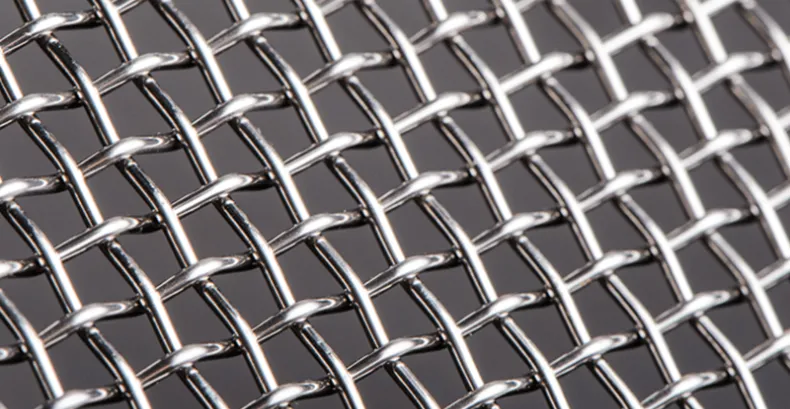
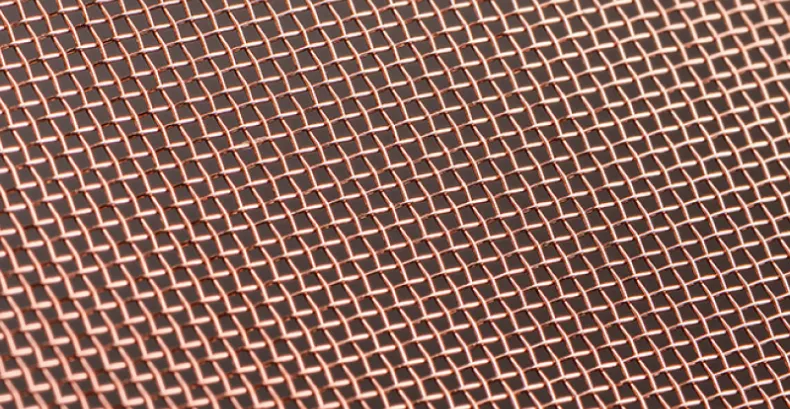
The alloy is also used for the production of rolled metal products: wire, sheets, pipes, mesh. Micron-sized metal wire meshes are made from the finest AISI 316 stainless steel wire.


