| Material | austenitic stainless steel |
| Standard | EN 10088-1 |
| Grade | 1.4404 |
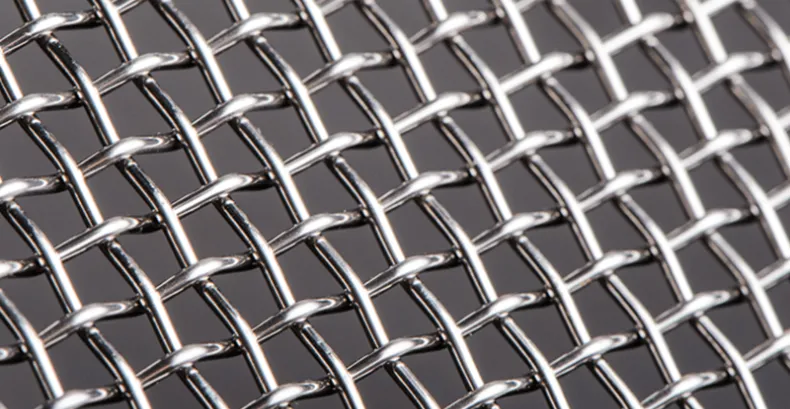
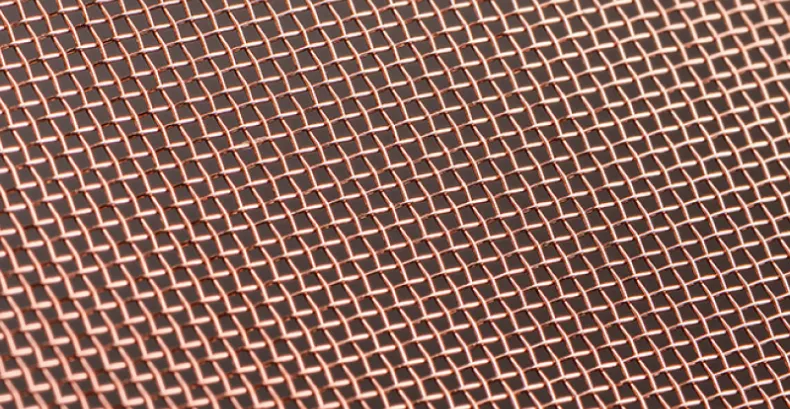
| Main properties and application | 1.4404 Stainless steel is a high-tech, highly deformable corrosion-resistant steel stabilized by the addition of 2% molybdenum to provide better corrosion resistance to many salts and acids, along with increased pitting resistance to salt water, brine, and chlorine salts. 1.4404 can be used in bleach solutions containing up to 2% hydrochloric acid. Stainless steel Type 316 is recommended for use in the manufacture of welded structures and critical parts operating in special conditions - in sulfuric acid environments, at high temperatures in oxidizing and chlorine-containing environments; 1.4404 steel is used in equipment and apparatus for the manufacture of synthetic rubber, isoprene, urea, caprolactam, and synthetic acetic acid; 1.4404 steel is well welded by most types of welding - electric arc, manual and gas-electric; the properties of steel make it suitable for the manufacture of wire for micron-sized meshes, the wire diameter is from 0.009 mm - 9 microns (for reference: the diameter of a European hair is 50-90 microns). |
| Operating temperature | recommended operating temperature: up to 600°C with a long service life; tolerates sudden changes in temperature; forging at a temperature of about 850-1180°C |
| Grade analogue | SS31600; SS316L; UNS S31600; SUS316 (Japan); AISI 316L; AISI 316Ti; AISI 3016 |
| Density | 7.95 g/cm3 |
| Corrosion resistance | Wires, wire cloth and wire screens made of steel grade 1.4404 have good resistance to corrosion, including in sulfur-containing environments, under the influence of boiling phosphoric, sulfuric, 10% - acetic acid, citric acid, nitric acid, in sulfuric acid media; mesh rack in a saturated steam environment, when operating in aggressive environments at high and low temperatures. |
| Notes regarding corrosion | atmospheric corrosion resistance: 4500 times higher than ordinary quality carbon steel (St.0-St.3, etc.) without coating, 500 times higher than galvanized steel, 50 times higher than aluminum, higher than brass 25 times. PREN (Pitting Resistance Equivalent): 26 |